

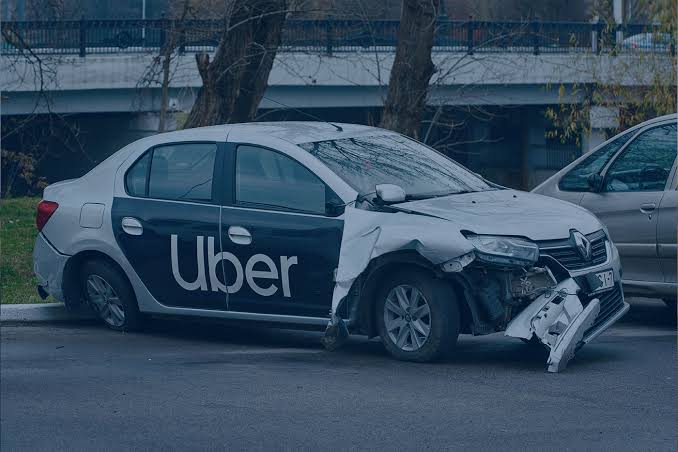
If you were hurt in an Uber crash in Georgia, the honest answer is that no one can promise you an exact settlement figure. What you recover depends on your injuries, your medical bills, your lost income, and which Uber insurance policy applies to your specific crash.
That last part surprises many people. The insurance available in an Uber accident changes based on what the driver was doing at the moment of the crash.
In our experience with rideshare claims, what determines a real recovery isn’t only who caused the wreck — it’s who can actually pay for it. You can be completely right about fault and still come up short if the only policy in reach is too small. So one of the first questions we ask isn’t just “who’s to blame,” it’s “which insurance is realistically on the table.”
Below, we explain how Uber’s coverage actually works, what drives the value of your claim, who can be held responsible, and how the process moves forward. Be cautious of any source that quotes a single “average” Uber settlement — real cases vary too widely for that number to mean anything for you.
How Much Is a Georgia Uber Accident Settlement Worth?
There is no fixed dollar amount for an Uber accident claim. Two crashes that look similar on paper can settle for very different figures.
Your settlement reflects the actual harm you suffered and the insurance coverage available to pay for it. A minor soft-tissue injury and a permanent spinal injury sit at opposite ends of that range.
The value of your claim is built from your damages, not from an average. Those damages generally include:
- Medical expenses: Emergency care, hospital stays, surgery, imaging, physical therapy, and future treatment you will still need.
- Lost wages: Income you missed during recovery, plus reduced earning capacity if your injuries limit your ability to work going forward.
- Pain and suffering: Physical pain, emotional distress, and the loss of activities you once enjoyed.
- Property damage: Repair or replacement of belongings damaged in the crash.
The larger and better-documented your losses, the higher the potential value of your claim. This is why keeping every medical record and pay stub matters so much.
Uber’s Insurance Coverage Depends on the Driver’s App Status
Here is the single most important factor in an Uber claim. Uber’s insurance is divided into periods based on what the driver was doing when the crash happened.
The wrong assumption — that a $1 million policy always applies — leads people to expect far more than a claim may actually support. The truth is more layered.
Which policy is on the table
The single most important factor in an Uber claim. The assumption that a $1 million policy always applies leads people to expect far more than a claim may support.
Period 1
App off
Not logged in. Treated like any other private driver.
$0
Uber coverage
Who pays: only the driver’s personal auto policy — often modest, and many personal policies exclude driving for money altogether.
Period 2
App on, waiting
Logged in but has not accepted a ride request.
Limited
Contingent liability
Bodily injury, per person$50,000
Bodily injury, per accident$100,000
Property damage$25,000
Generally applies only if the driver’s own insurance falls short. Insurers may dispute which policy pays first.
Period 3
En route or on a trip
Ride accepted, heading to pickup or passenger aboard.
$1,000,000
Third-party liability
Uber’s full commercial policy is in effect, plus uninsured/underinsured motorist coverage. This is the tier that typically applies to injured passengers.
Confirming the driver’s exact app status at the moment of impact is one of the first things worth investigating — it decides how much coverage is on the table.
The collectibility question You can be completely right about fault and still come up short if the only policy in reach is too small. The first question is not just who is to blame, but which insurance is realistically available.
Why insurers fight the tier Because coverage turns on app status, an insurer has a direct financial motive to argue a lower tier was active — which is why the driver’s app data is worth pinning down early.
App Off — Personal Insurance Only
When the driver is not logged into the Uber app, they are treated like any other private driver. Uber provides no coverage during this period.
Only the driver’s personal auto insurance policy applies. If that driver caused your crash while off the app, your claim runs through their individual policy, not Uber’s.
This is where the collectibility question bites. A personal auto policy is often modest, and many personal policies exclude driving for money altogether. In our experience, that combination — a small limit and a possible commercial-use exclusion — is exactly why the driver’s app status at the moment of impact so often decides what is realistically available to you.
App On, Waiting for a Ride Request — Limited Coverage
Once the driver logs in and is waiting for a ride request, Uber provides limited liability coverage. This tier is contingent, meaning it generally applies only if the driver’s own insurance falls short.
The commonly published limits for this period are:
- Bodily injury: Up to $50,000 per person.
- Bodily injury: Up to $100,000 per accident.
- Property damage: Up to $25,000 per accident.
This middle tier often causes the most friction, because the coverage is smaller and insurers may dispute which policy pays first.
En Route to Pickup or During a Trip — $1,000,000 Coverage
Once the driver accepts a ride and is heading to the pickup, or has a passenger in the car, Uber’s full commercial policy is in effect. This period provides up to $1,000,000 in third-party liability coverage.
This tier also includes uninsured/underinsured motorist coverage, which can protect you if another driver caused the crash but had no insurance or too little to cover your injuries. If you were a passenger in an Uber during an active trip, this is the coverage that typically applies to your claim.
Confirming the driver’s exact app status at the moment of impact is one of the first things worth investigating, because it decides how much coverage is on the table.
That app-status issue is not limited to passenger rides. Similar coverage questions can arise when a driver is making food deliveries, and our guide to Georgia Uber Eats accident claims explains how insurance and liability can work in that situation.
If you are unsure which policy applies to your crash, our attorneys can review the details for free. Contact our Augusta car accident lawyer to talk through your options with no obligation.
What the Insurance Company Is Actually Doing
It helps to be clear about who is on the other side of an Uber claim. You are not fighting “Uber the app.” You are dealing with insurance companies, and their job is to pay out as little as the facts allow.
That reality shapes everything, starting with the first phone call. When a friendly adjuster reaches out early, sounds sympathetic, and asks how you’re feeling, understand what that call is: documentation, not help. A recorded statement can be used later to minimize your injuries or shift blame onto you, so it pays to be careful before you say much of anything.
The size of the fight also tends to scale with the dollars on the table. A small policy usually draws a quick, quiet response. But when the $1,000,000 commercial tier is in play, insurers treat it seriously — they bring in a defense team and look hard for reasons to pay less.
One of the most common of those reasons is the coverage tier itself. Because Uber’s insurance turns on the driver’s app status, an insurer has a direct financial motive to argue that a lower tier was active at the moment of the crash. In our experience, that dispute over which period applies is a frequent battleground, and it is one reason the driver’s app data is worth pinning down early.
What Determines the Value of Your Uber Accident Claim
Beyond the insurance tier, several factors shape what your case may be worth. Insurers weigh each of these when they evaluate an offer.
What actually moves the number
There is no fixed dollar amount for an Uber accident claim. Your settlement is built from the actual harm you suffered and the coverage available to pay for it — not from an average.
DamagesSeverity of your injuries
What it coversWhere your injury falls between minor soft-tissue and permanent impairment.
How it moves valueCatastrophic and permanent injuries carry higher value than injuries that heal quickly
DamagesTotal medical costs
What it coversEmergency care, hospital stays, surgery, imaging, and therapy.
How it moves valueIncludes bills already incurred and the reasonable cost of future care
DamagesImpact on your income
What it coversWages missed during recovery and reduced earning capacity.
How it moves valueA lasting effect on your ability to earn a living raises the claim substantially
RiskConsistency of treatment
What it coversWhether you followed the treatment plan without breaks.
How it moves valueGaps in care give insurers a reason to argue your injuries were not serious
CeilingAvailable policy limits
What it coversThe coverage tier that applied at the moment of the crash.
How it moves valueA claim cannot exceed the coverage that applies, no matter how serious the harm
RiskYour share of fault
What it coversThe percentage of blame assigned to you under Georgia law.
How it moves valueReduces your recovery point for point — and can eliminate it entirely
Who Is Liable for a Georgia Uber Accident?
Liability in a rideshare crash is often shared, and identifying every responsible party matters because it affects which insurance policies you can reach.
Depending on how the crash happened, responsibility may rest with one or more of these parties:
- The Uber driver: If their careless driving caused the crash.
- Another motorist: If a different driver caused or contributed to the collision.
- Multiple parties: When more than one driver shares the blame.
- A third party: In some cases, factors like a vehicle defect or dangerous road condition play a role.
The analysis also changes when the gig driver is the person who was injured rather than the person who caused the collision. We explain those issues separately in our guide for DoorDash drivers injured in an accident in Georgia, including where they may be able to look for compensation.
Can You Sue Uber Directly?
Uber classifies its drivers as independent contractors rather than employees. That distinction often makes it difficult to hold Uber directly responsible for a driver’s conduct.
In most cases, your claim is made against the applicable insurance coverage — the driver’s personal policy, Uber’s commercial policy, or another at-fault driver’s insurance. The right target depends on the facts, and sorting that out early prevents you from pursuing the wrong party.
Why We Name Everyone Early
When the responsible party isn’t obvious from the start, we generally name broadly — the driver, Uber, and the relevant insurers — rather than guessing. This isn’t about blaming everyone; it’s protective. Naming the parties early is what opens the door to the records that actually show which coverage tier was active, and it keeps the clock from running out on a party you may later need.
From there, discovery does its job. The formal exchange of records and app data is where responsibility gets sorted out — so we position the claim to reach that proof rather than accepting the insurer’s version of who was covered and when.
The Georgia Uber Accident Claim Process
Every case is different, but most rideshare injury claims move through a similar sequence. Knowing the path ahead helps you avoid missteps that could hurt your claim.
- Get medical care: See a doctor promptly, even if you feel fine, and follow the treatment plan.
- Report and document: Make sure a police report is filed, and save photos, the driver’s information, and your trip details from the Uber app.
- Preserve evidence: Keep medical bills, pay stubs, and records of every expense connected to the crash.
- Investigation: The driver’s app status and the cause of the crash are established.
- Demand and negotiation: A demand is presented to the correct insurer, followed by negotiation.
- Settlement or lawsuit: Many claims settle, but a lawsuit may be filed if the insurer refuses a fair amount.
Why the First Offer Is Often Too Low
Insurers frequently make a quick, low offer before the full extent of your injuries is known. Accepting early can leave you paying for future treatment out of your own pocket.
Once you settle, you generally cannot reopen the claim for the same crash. That is why it is wise to understand the full scope of your injuries before agreeing to any number.
How a Georgia Uber Accident Lawyer Can Help
Rideshare claims involve overlapping insurance policies, contested fault, and companies with legal teams focused on paying as little as possible. Our attorneys handle that pressure so you can focus on recovering.
When you work with our firm, we:
- Investigate the crash: We confirm the driver’s app status and identify every party that may share responsibility.
- Establish liability: We gather the evidence needed to show how the crash happened and who is at fault.
- Work with the right experts: When a case calls for it, we consult medical and accident reconstruction professionals to support your claim.
- Handle the insurers: We deal with the adjusters and push back on lowball offers.
- Pursue full compensation: We build your claim around the true cost of your injuries, both now and in the future.
With over 71 years of combined experience, our firm is prepared to take cases to trial when insurers refuse to be fair — and insurers know it. We serve injured people across Augusta, Evans, Thomson, Waynesboro, and the surrounding CSRA.
You pay nothing upfront, and you owe us nothing unless we recover compensation for you. Contact our Augusta car accident lawyer for a free consultation.

Frequently Asked Questions
What is the average Uber settlement in Georgia? +
Georgia Uber passenger accident settlements typically range from $15,000 to $150,000, with severe injury cases reaching millions. The average depends heavily on injury severity, medical expenses, and long-term impacts.
Does Uber pay for my hospital bills? +
Uber’s insurance may cover medical expenses if their driver was at fault and the app was active. However, you might need to initially use your health insurance and seek reimbursement through the settlement process.
How long do Uber accident claims take in Georgia? +
Most cases resolve within 6-18 months, though complex cases involving serious injuries may take longer. The timeline depends on medical treatment completion, liability disputes, and negotiation progress.
Can I still get a settlement if I was partially at fault? +
Yes, under Georgia’s comparative negligence rule, you can recover damages if you’re less than 50% at fault. Your settlement will be reduced by your percentage of responsibility.
Should I accept Uber’s first settlement offer? +
Generally no. Initial offers rarely reflect true case value and are designed to minimize Uber’s payout. Consult with an attorney before accepting any settlement offer.
What if the Uber driver doesn’t have insurance? +
Uber’s commercial policy includes uninsured/underinsured motorist coverage up to $1 million, protecting passengers when at-fault drivers lack adequate insurance.